
Wildfire risk and advice for emergencies
Dear parishioners,
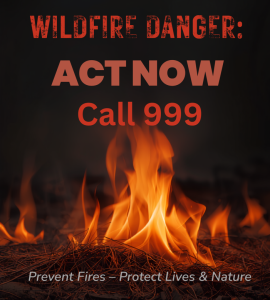
In light of the protracted heatwaves and prevalence of wildfire risk, we wanted to make you aware of Government advice on preparing for emergencies which you can find via this link:
This advice includes a link to a checklist that prompts you to gather important information and supplies relevant to your home and family, including contact numbers, insurance, medical needs, etc., and to identify exit routes from your property and safe meeting places for your family.
Put together an emergency kit of items at home
This could include:
- Battery or wind-up torch – torches are safer than candles.
- Portable power bank for charging your mobile phone.
- Battery or wind-up radio to get updates during a power cut – a car radio can be used, however in severe weather it might be safer to stay inside.
- Spare batteries for torches and radio and a backup battery for any medical equipment you rely on.
- A first aid kit (or some first aid items) including items such as waterproof plasters, bandages, a thermometer, antiseptic, eyewash solution, sterile dressings and gloves, medical tape for dressings, and tweezers.
- Hand sanitiser and wet wipes for hygiene purposes when the water is off.
- Bottled water – there is no standard figure for this as emergencies can vary in duration and people use different amounts. A minimum of 2.5-3 litres of drinking water per person per day is recommended by the World Health Organisation for survival. 10 litres per person per day will make you more comfortable by also providing for basic cooking and hygiene needs. Additional water might be needed to make up baby formula, for medical devices and for pets.
- Non-perishable food that doesn’t need cooking, such as ready-to-eat tinned meat, fruit or vegetables (and a tin opener). As with water, how much you need will vary based on your own circumstances. Don’t forget food for pets.
- Baby supplies such as nappies and baby formula – ready made or ‘ready-to-feed’ formula is best as you may not be able to boil water or sterilise bottles.
Rather than buying all the items at once, you could just add to your emergency kit when you are able and build it up over time.
The Parish Council is actively working with the District Council to formulate an emergency plan for the parish, which will include guidance for households. In the meantime, I trust that you will find this information helpful.
Richard Burrows,
Chair